A Facebook post from an anonymous softball parent struck a nerve this week, describing the emotional toll of the game not on the field, but in the dugout, the bleachers, and behind the scenes. As more families echo the same frustration—burnout, broken friendships, toxic sideline behavior—it’s clear this isn’t just a one-off experience. It’s a call to reflect. Are we building a sport that develops young women—or one that breaks them down? The answer lies in how we respond, lead, and model what growth truly looks like. One parent shared:
“She didn’t lose her love for the game, but her soul grew tired of fighting through adult animosity.”
This powerful line from a shared anonymous Facebook post is making waves across the softball community. It describes a family’s decision to step away from the sport—not because of the game itself, but because of what they say happened around it: drama, favoritism, and from what they claim to be “ego-driven coaching.” The post continues:
“We took a break from toxic coaches who prioritize wins over athletes… it was no longer building confidence but destroying it.”
When anonymous posts start circulating—filled with sweeping statements about “toxic coaches,” “daddy ball,” or broken team dynamics—it’s easy to get caught up in the emotion. The stories often sound heartfelt and raw, and many commenters echo similar sentiments: damaged confidence, lost passion, and stress caused by adults who should be guiding the game, not complicating it.
But as powerful as these accounts are, they also prompt a necessary question: Are we hearing the full story? Emotions are real, but context matters—and in sports, the truth is often more complex than a single post can convey.
The Emotional Side of Softball
Softball—like all competitive sports—can create pressure, not just for athletes, but for parents and coaches too. It’s true that some environments become overly focused on winning. It’s also true that teams occasionally break apart or don’t deliver the right developmental support.
Some anonymous comments read:
Statements like these should not be ignored—but they should also be evaluated with care.
Taking a break can absolutely be the right choice when a situation begins to impact a child’s confidence and joy for the game. That said, it’s also important that we, as a community, approach these difficult seasons with thoughtful reflection.
When we say a coach “only cared about winning” or “broke down players,” we should be careful not to place all the blame on one individual without also evaluating the bigger picture. Were there steps taken to address the issue constructively? Did parents speak directly with the coach or escalate concerns to organizational leadership if those conversations didn’t bring resolution? In some cases, did families consider stepping up to coach or assist in creating a more supportive environment?
These are not easy paths, but they are important ones. If we want to see the culture shift in sports, it requires participation, problem-solving, and leadership from everyone involved—not just criticism after the fact.
Your decision to take a break is valid, and your voice matters. Let’s also make sure we use it to inspire accountability, not just for coaches, but for ourselves as parents and mentors guiding the next generation of athletes.
Balancing Empathy and Accountability
CEO of Extra Inning Softball, Bonnie Holland, offered this insight:
“Young athletes absorb far more than just skills during a season—they’re also learning how to handle conflict by watching the adults around them. When parents and coaches respond to difficulty with grace, respect, and accountability, players internalize those behaviors as the standard. On the other hand, when arguments, blame, or emotional outbursts become the norm, it sends a message that winning or being right matters more than character.”
“Players take those cues with them, on and off the field. The way we respond isn’t just resolving a problem—it’s teaching a lifelong lesson. It’s important to remember that athletes are always watching, and the way we handle conflict will leave a lasting impression. This is a good reminder to us all—myself included.”
Portrait of EIS CEO Bonnie Holland with quote: “Athletes are always watching—how we handle conflict leaves a lasting impression.”
Modeling Matters: Adults Shape Mindsets
Young athletes absorb far more than just skills during a season—they’re also learning how to handle adversity by watching the adults around them. When parents and coaches respond to conflict with grace, respect, and accountability, players internalize those behaviors as the standard. On the other hand, when arguments, blame, or emotional outbursts become the norm, it sends a message that winning or being right matters more than character. Players take those cues with them, on and off the field. In moments of disagreement—whether it’s over playing time, team changes, or tournament losses—the way we respond isn’t just resolving a problem; it’s teaching a lifelong lesson.
Advice for Parents, Coaches & Players
The strong emotions in these posts are impossible to ignore—but they also serve as a reminder: we all bring our own lens to the field.
Parents, in particular, can unintentionally play off each other’s frustrations. A private complaint becomes a public narrative. Disappointment turns into blame. Before long, the environment feels more hostile than it may actually be. This is not to invalidate any family’s experience—but to emphasize the importance of perspective-taking.
If you’re a parent:
Ask yourself, “How would I interpret this if I were the coach?”
Are you seeking solutions—or simply validation for a negative experience?
Are other parents amplifying a single narrative without all the facts?
If you’re a coach:
Consider how your style is being received, even if your intentions are good.
Are you coaching every athlete, or just the top tier?
Could clearer communication prevent misunderstandings?
If you’re an athlete:
Remember, no team is perfect. Take the time to reflect on your goals and feelings.
If you’re taking a break, let it be intentional—not reactionary.
One public commenter—who chose to not remain anonymous—brought a valuable, more reflective tone to the conversation:
“While I appreciate and admire the content of this post and the comments that follow, I find it interesting, and quite frankly a bit irritating, that everyone is always posting their commentary and feedback anonymously. Proudly stand up for what you believe in and openly share your truths. If you’re afraid to share, then don’t.”
This sentiment underscores a larger truth: Transparency matters. If we want real change in sports culture, we can’t hide behind anonymity. Accountability and integrity go hand-in-hand—whether we’re praising or critiquing a team, coach, or experience.
This same commenter went on to write:
“Toxic coaching, parents, and youth sports politics contribute to hurting kids and fracturing relationships… More people, parents included, need to keep things in perspective and adjust their expectations and priorities.”
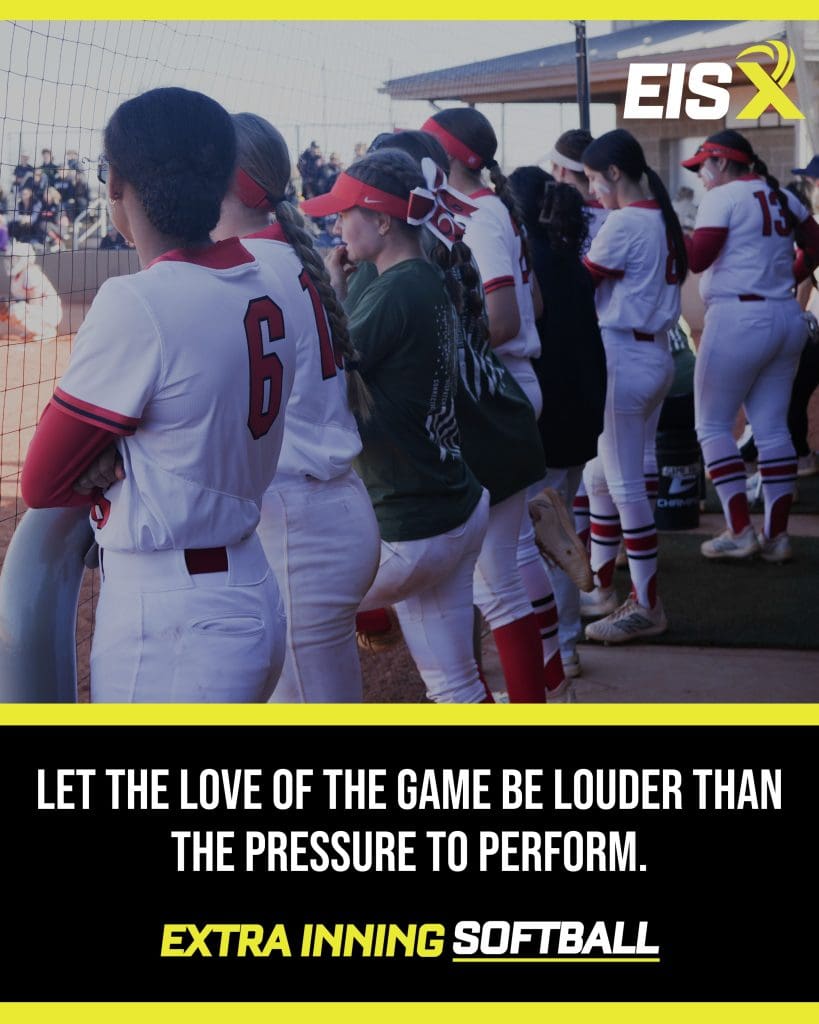
Let the love of the game be louder than the pressure to perform.
Culture Over Chaos
Rather than chasing the “best” team or focusing solely on winning, families would do better to look for healthy culture, long-term growth, and emotional safety. A win on the field means little if an athlete walks away with less confidence or fractured friendships.
One parent offered this practical suggestion:
“You may want to read Jennie Finch’s book Throw Like a Girl… it helps navigate the pressures of being a girl athlete. My daughter and I are reading it together now.”
Softball should be a space for building character, learning teamwork, and discovering strength—not just performance and placement.
It’s Okay to Take a Break
If a player needs to reset, that decision deserves respect. A break doesn’t mean they’ve failed or given up—it may be a necessary pause to rediscover joy.
But players should also be encouraged to:
Reflect honestly: Was it the game, or was it a moment?
Seek support: Mentors, trainers, and former coaches can offer perspective.
Stay active: Passion often returns through movement, not stillness.
“Not quitting. Just pausing to breathe.”
Final Thoughts
There’s nothing wrong with taking a break. Sometimes it’s necessary. But whether you stay or step away, let the decision be about restoring joy—not escaping conflict.
It’s easy to point fingers when drama unfolds on a team, but we should also recognize that anonymous posts often fuel that drama instead of resolving it. When frustrations are shared publicly without context or accountability, it can create more division than healing. If we want a healthier softball culture, we all have a role to play in how we speak, how we lead, and how we model emotional maturity—for our athletes, and for each other.
The real win? When kids walk away from the game stronger, more confident, and more in love with the sport—because the adults in their lives chose grace, perspective, and growth.
WHAT’S NEXT?
🚨 Class of 2028 nominations open Aug 1! 📝 Deadline: Sept 1 🌟 Join EIS & get ranked! 👉 Nominate HERE
Southwest Region Rankings: Class of 2030 Athlete Talent Turns Up the Heat
Extra Inning Softball is turning up the heat with the inaugural Class of 2030 Southwest Region Rankings, recognizing talent across five position groups: Pitchers,...
Skyler Ball
ANNOUNCEMENTS, NEWS
College of Western Idaho Takes First Step Toward Athletics — Could Softball Be Next for Southwest Idaho?
The College of Western Idaho (CWI) has officially applied for membership in the National Junior College Athletic Association (NJCAA), marking the college’s first formal move...
Bonnie Holland
NEWS, RANKINGS NEWS
Class of 2030 Midwest Region Rankings: The Wait is Over
Extra Inning Softball officially turns its attention to the Class of 2030 Midwest Region Rankings, spotlighting exceptional athletes at Pitcher, Catcher, Middle Infielder, Corner...
Skyler Ball
NEWS, RANKINGS NEWS
Watchlist Wednesday: The Next Class of 2028 Players to Watch
The Extra Inning Softball Class of 2028 National Rankings process is underway, and talented athletes from across the country continue to enter the conversation. This...
Skyler Ball
CLUB NEWS, EDUCATION, NEWS, RANKINGS NEWS
The Four Principles Behind The SERV™ Methodology
The Four Principles Behind The SERV™ Methodology At Extra Inning Softball, we believe the credibility of any rankings system is directly tied to the integrity...
Bonnie Holland
NEWS, RANKINGS NEWS
Class of 2030 Southeast Region Rankings: Meet the Standouts
Extra Inning Softball proudly presents the inaugural Class of 2030 Southeast Region Rankings, recognizing standout athletes across five position groups: Pitchers, Catchers, Middle Infielders, Corners...